Australia’s energy production relies on fossil fuels which accounting for over 70% of electricity generation. This includes the contribution of the coal-fire power plan. Although renewable energy sources are on the rising trend, they only represent 27% of electricity production. Coal-fire power station not only produce greenhouse gas emission that contribute to climate change and toxic air pollution but also produce a post-combustion by-product known as coal ash. There are two types of coal ash: flying ash and bottom ash. Whereas flying as is made up of light and fine particles that can be eroded by wind and rain, bottom ash is made up by heavy and coarse particles and remain in the bottom of power station boiler. Currently, coal power plants use similar process of transporting coal ash into slurry form to store at facilities known as ash dam. The ash will be mixed with water then transport to the ash dam at the power station. The ash is settled down from the mixture, water is return to the plans to pick up more ash form the close loop between the coal power plan and the ash dam. It is estimated that currently there is over 400 million tonnes of ash stored in the dump sites across Australia and an addition of 10 to 12 million tonnes to be created every year. This account for nearly one-fifth of entire nation’s waste.

When coal is combusted or burned in the power plant for electricity generation, it releases a hazardous brew of toxic pollutants into the air. Coal ash which is non-gaseous remnants also contain heavy metals such as arsenic, lead, mercury …. Currently, in NSW coal ash waste is stored in unlined ash dams. It is said that the ash dam was leaching heavy metal through layer of soil of the ash dam and polluted Lake Macquarie and other waterway. The toxins in the coal ash have been linked to asthma, heart disease, cancer, respiratory disease, and stroke. Given the NSW ash storage areas are in proximity to highly populated areas, this poses the potential risk on the community and environmental health.
Coal ash, however, can also be recycled into a range of building materials create economic opportunities while transforming hazard product into useful materials. Australia has huge stockpile of coal ash while rate of reuse is low. This indicates the enormous potential for coal ash recycling. Recognizing the urgency of solving the stockpile of coal ash, Capiworld PTY LTD has developed the Eco-Aerogels Coalbase product range. The product retains the properties of Aerogel, which is low density, high porosity, large surface area due to nano-porous structure while make use of the wasted coal ash. These products have various of applications such as thermal and acoustic insulation, catalyst support, absorbents, sensors, and energy storage devices. Coalbase blanket or coating can be installed in building and pipe to minimize the heat loss to improve energy efficiency. They also can be used in automotive industry to produce acoustic panels to reduce noise level or insulation mats under the hood.
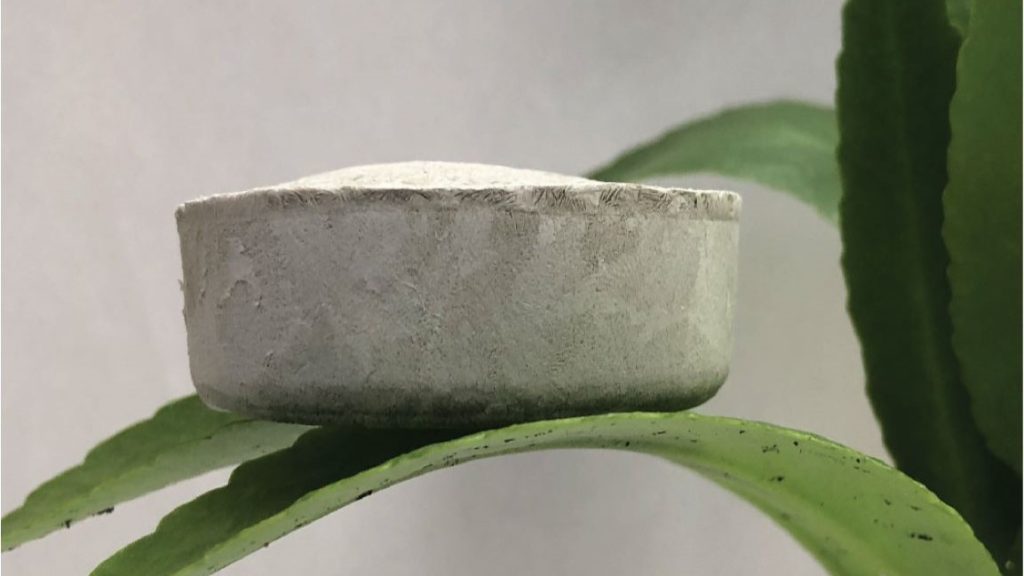
At Capiworld, we prioritize environmental sustainability. Our eco-friendly manufacturing process, free from toxic chemicals and solvents, enables the transformation of waste into highly valuable materials. By adhering to our Zero Waste Programme, we ensure that most of the manufacturing waste is recycled back into the production process, contributing to a circular economy. By repurposing coal ash, we pave the way for a greener, more sustainable future. Together, let’s minimizing waste, and unleashing the full potential of recycled materials. Join us on this transformative journey towards a brighter, cleaner world.