Australia’s vast and diverse natural landscapes create unique climate conditions that demand significant energy usage for heating and cooling. This poses challenges to energy efficiency and sustainability. There are factors contributing to this issue and present a promising solution to mitigate its environmental impact and alleviate the burden of rising energy bills.
Australia’s Heating and Cooling Challenge:
- Harsh Climate Conditions: Australia’s climate is characterized by scorching summers and chilly winters, necessitating extensive use of heating and cooling systems. This heightened demand for temperature control directly translates into increased energy consumption.
- Outdated Building Design: Many buildings across the country lack proper insulation, air sealing, and shading measures. This inefficiency allows thermal energy to escape during winter and infiltrate during summer, leading to excessive reliance on heating and cooling systems. Maintaining desired indoor temperatures becomes a constant struggle.
- Peak Energy Demand: During extreme weather events, such as blistering heatwaves or freezing cold snaps, the energy grid experiences strain due to heightened usage of heating and cooling systems. This surge in demand contributes to increased energy consumption and potential energy waste.
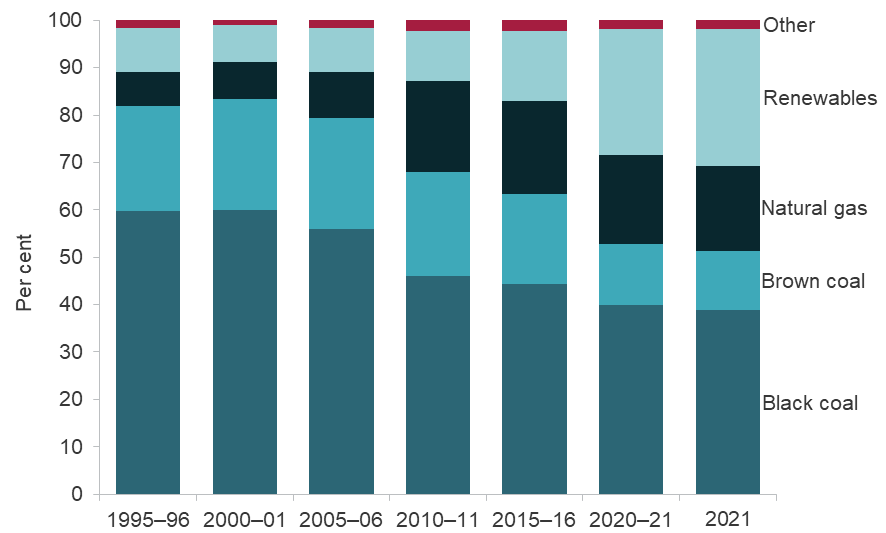
Australia’s heating and cooling methods significantly impact the environment and contribute to escalating energy bills. Most of the country’s energy production relies on fossil fuels, including coal, gas, and oil, accounting for over 70% of electricity generation. Although renewable energy sources are on the rising trend, they only represent 27% of electricity production. Furthermore, more than half of Australian households are connected to the gas network, with 65% of consumed gas being used for heating.
- Greenhouse Gas Emissions: Heating and cooling systems often rely on fossil fuel combustion or non-renewable electricity consumption. This releases greenhouse gases, including carbon dioxide (CO2) and other pollutants, into the atmosphere. These emissions exacerbate climate change and its environmental consequences.
- Energy Generation: The generation of electricity to power heating and cooling systems depends on finite resources such as coal, natural gas, or oil. The extraction and burning of these resources contribute to environmental degradation, habitat destruction, and air pollution.
- Energy Loss: Inefficient insulation and building designs result in energy losses during heating and cooling processes. This wasted energy requires additional generation to compensate, leading to higher energy bills and unnecessary environmental impact.
As Australia’s population grows, urban areas expand, and lifestyles evolve, the demand for heating and cooling increases. This adds strain on energy infrastructure, resulting in higher energy bills for consumers and a greater environmental footprint.
To address these challenges and pave the way towards a sustainable future, the implementation of insulation technology and energy-efficient practices is vital:
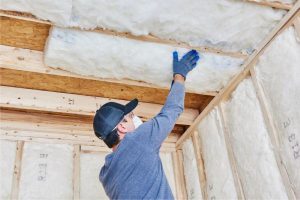
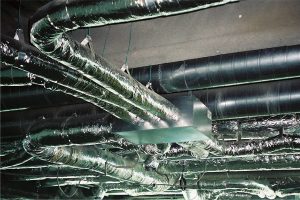
- Improved Insulation: Enhancing building insulation minimizes heat transfer, reducing the need for excessive heating or cooling. Proper insulation in roofs, walls, floors, and windows helps maintain stable indoor temperatures, decreases energy consumption, and lowers greenhouse gas emissions.
- Building Retrofitting: Retrofitting existing buildings with insulation is a crucial step in enhancing energy efficiency. Adding insulation to roofs, walls, and floors, along with improving window glazing and seals, significantly improves overall insulation effectiveness. Government initiatives and incentives can encourage building owners to undertake insulation retrofits.
At Capiworld PTY LTD, we recognize the urgency of addressing these challenges and proudly present our flagship ECO-AEROGELS products. These remarkable insulation solutions have been meticulously developed to combat energy waste and environmental impact, while optimizing energy efficiency.
Our ECO-AEROGELS leverage the exceptional properties of aerogel technology, boasting an ultra-lightweight composition with over 95% air content by volume and an astonishing minimum thickness of 3mm. These groundbreaking materials revolutionize insulation performance, substantially reducing heat transfer, lowering energy consumption, and effectively curbing greenhouse gas emissions.
For instance, our POLYCYCLE product line boasts excellent thermal conductivity ranging from 0.035 to 0.042 W/mK, delivering superior insulating properties for building applications. By minimizing heat loss, POLYCYCLE improves energy efficiency and reduces the need for excessive heating and cooling. While specific fire regulations should be consulted, POLYCYCLE itself is non-flammable and non-toxic, ensuring safety and peace of mind.
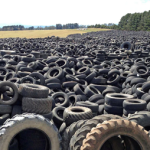
At Capiworld, we prioritize environmental sustainability. Our research team has developed innovative AEROGEL products using a variety of recycled materials: POLYCYCLE derive from recycled polyethylene terephthalate (PET) plastic – the one used in water bottle, RUBCYCLE from recycled rubber from used tyres, and more from recycled agriculture waste (Agribase) to coal combustion in power plan (Coalbase). Our eco-friendly manufacturing process is free from toxic chemicals and solvents, contributing to a circular economy by recycling most of our manufacturing waste.
By embracing insulation technology, Australia can mitigate the environmental impact of heating and cooling methods and alleviate the burden of rising energy bills. These measures not only reduce greenhouse gas emissions and environmental degradation but also offer long-term financial benefits to consumers and contribute to a more sustainable future.